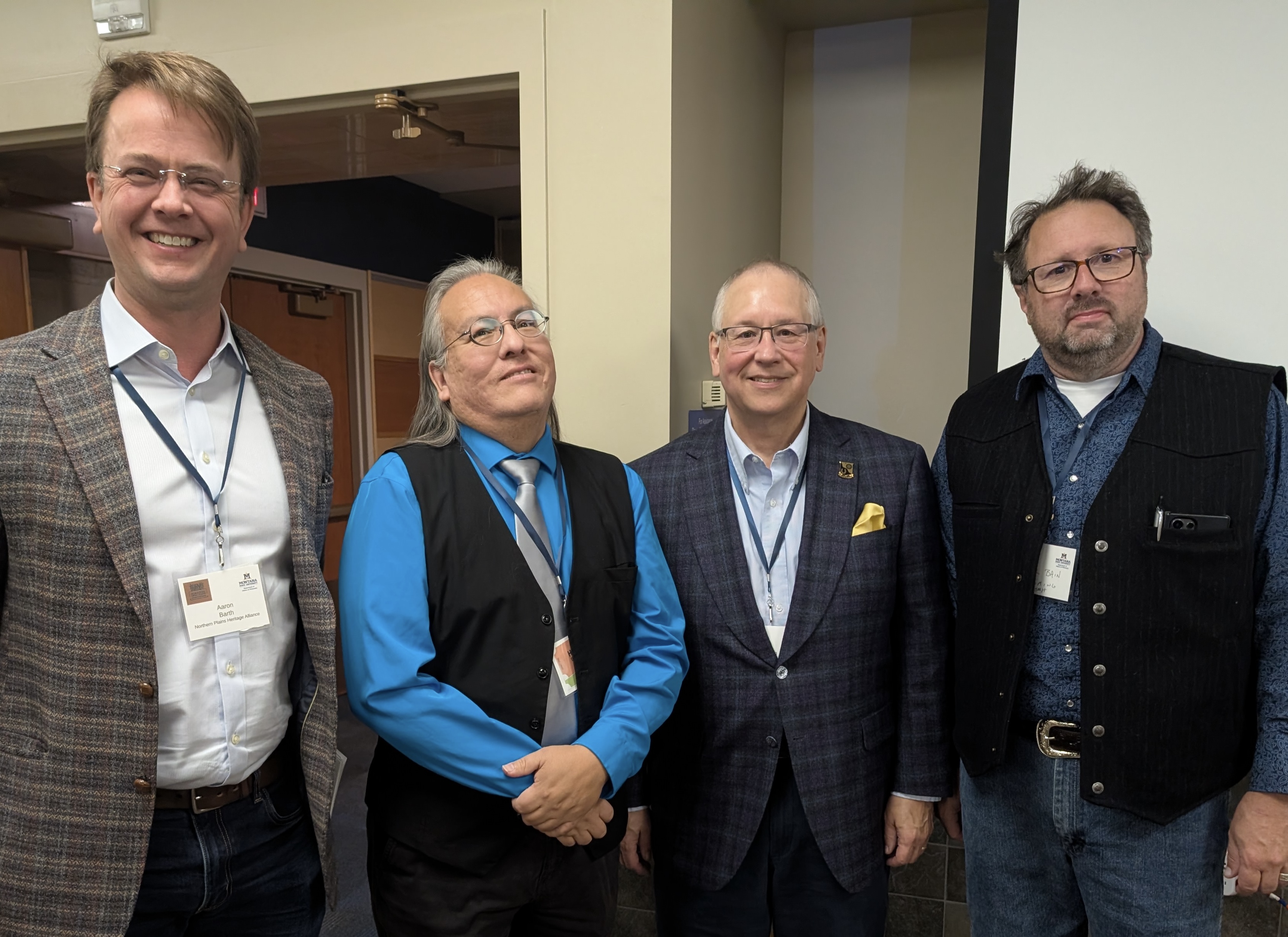
From October 28 to November 1, 2026, Montana State University (MSU-Bozeman) hosted the Northern Great Plains History Conference (NGPHC), 61st Annual, in all its splendor and glory. All speakers and panels and presentations were hosted in the MSU Strand Student Union.
It had been around 13 to 14 years since I had last attended the NGPHC, somewhere in 2012 or 2013 (when it was at the Fargo downtown Radisson). Downtown Fargo looks a bit different today than it did in 2012/2013.
Great intentional coordinating energy was expended, well before the start of the conference, during, and cleaning up after. Professor Micah Chang was the lead air traffic controller for this conference, and balanced operations of the conference with chair commentator hosting of this and that panel, then recalibrating back to operations, and so on. Applied liberal arts. As sometimes I say to myself. Well done, Micah.
The panel I was able to be a part of took place on Thursday, October 29, 10:30AM to 12-Noon, with Alan Anderson as chair and commentator, and the line up being William Bain, Dakota Goodhouse, and myself. Each paper in our panel looked at the Battle of Little Bighorn/Greasy Grass from then, the lead up to it, and 50 years later (through the lens of Hibernian-American immigrant Patrick Byrne).
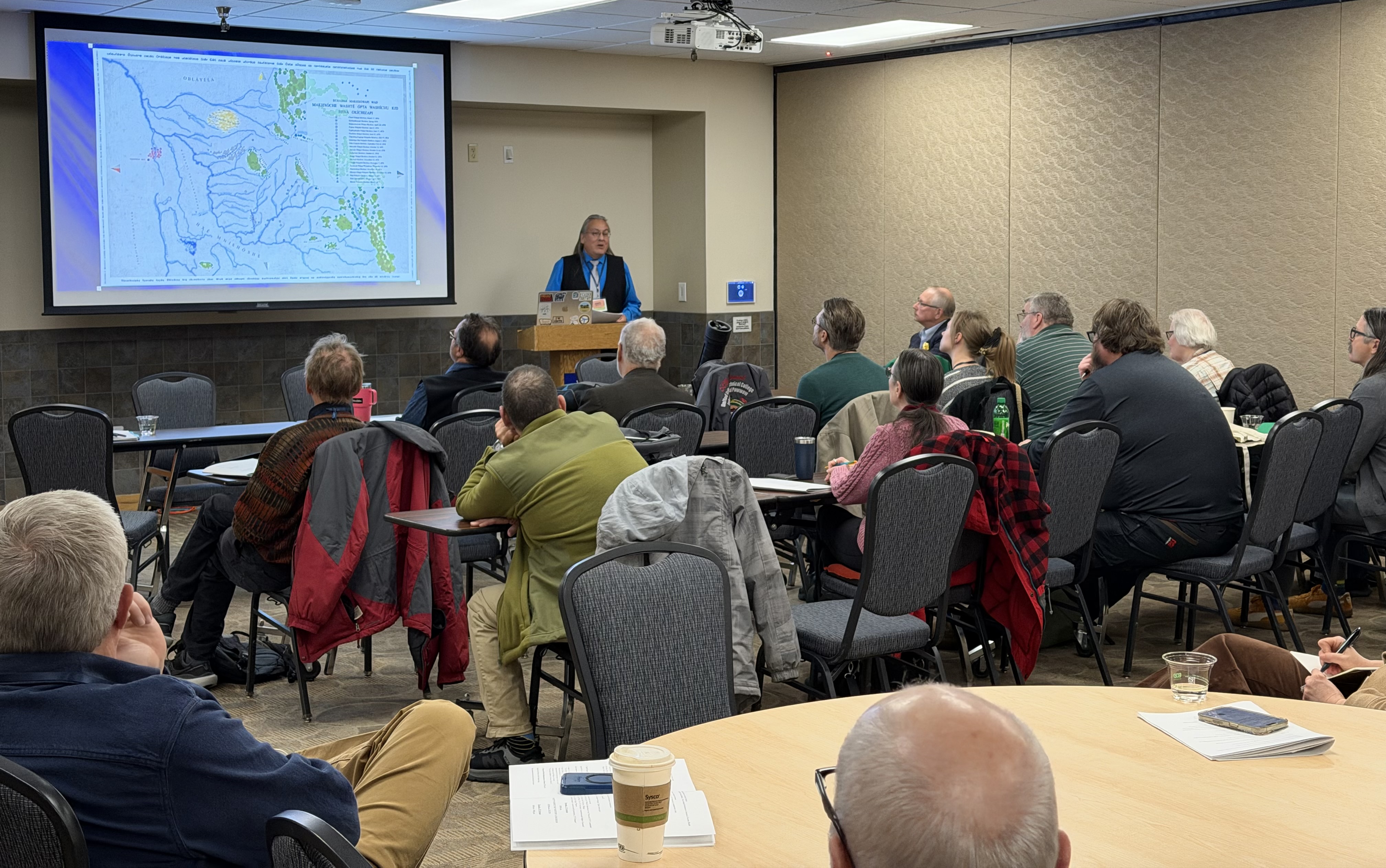
Returning to an in-person conferences with prepared papers reminded me of the importance of attending in-person conferences. Delivering prepared papers. Listening to prepared papers. Sharing knowledge after. Reminding oneself of the decorum of sharing comments and knowledge, asking questions, and listening to others share remarks, comments, and knowledge.
As a follow up, Alan Anderson e-mailed me to let me know, after reading and listening to my paper, he located the archival repository of a related line of inquiry that my paper hinted at: namely, the paper trail of Soldiers of the Plains that would truthify (paper trails) the group that actually approached Putnam and Son’s to purchase its copyright after its 1926 publication. Anderson said he found the prior subsidiary (it’s in an e-mail and I’m not gonna open it up right now) of Putnam located in the archives at University of Illinois Champagne. The plot thickened at the conference.
It’ll be fun to make time to figure out how to track those documents down for review, as it has the potential to paper-truth one of the oral histories I mentioned: that a Custer-phile group orchestrated by Libby Custer tracked down the copyright of Byrne’s book, and bought it. So it would never be published again. Yes: clandestine suppression of historical narratives in the 1920s and 1930s. Juicy stuff.
A couple photos in this blog post of the actual conference. Next year it is in Duluth. So get your plans planned accordingly.